
The Myth of Wild Creativity
For a long time, I believed creativity was about wild, unstructured bursts of inspiration—moments of magic seemingly conjured from thin air. I imagined great artists and innovators operating without boundaries, thriving purely on chaos and spontaneous genius. Yet, as I explored creativity through my own experiences as a product manager and through the stories of those I admired, I discovered something surprising: true creativity isn’t about abandoning structure but understanding it so deeply that you know exactly when—and how—to break it.
The Creative Paradox
Creativity thrives on a paradox. Structure provides the essential foundation—the clarity and predictability needed for mastery. Innovation, however, demands stepping beyond these structures to explore uncharted territory. The most remarkable creative achievements—whether in art, cooking, music, or product management—emerge precisely at the intersection of mastering patterns and deliberately disrupting them.
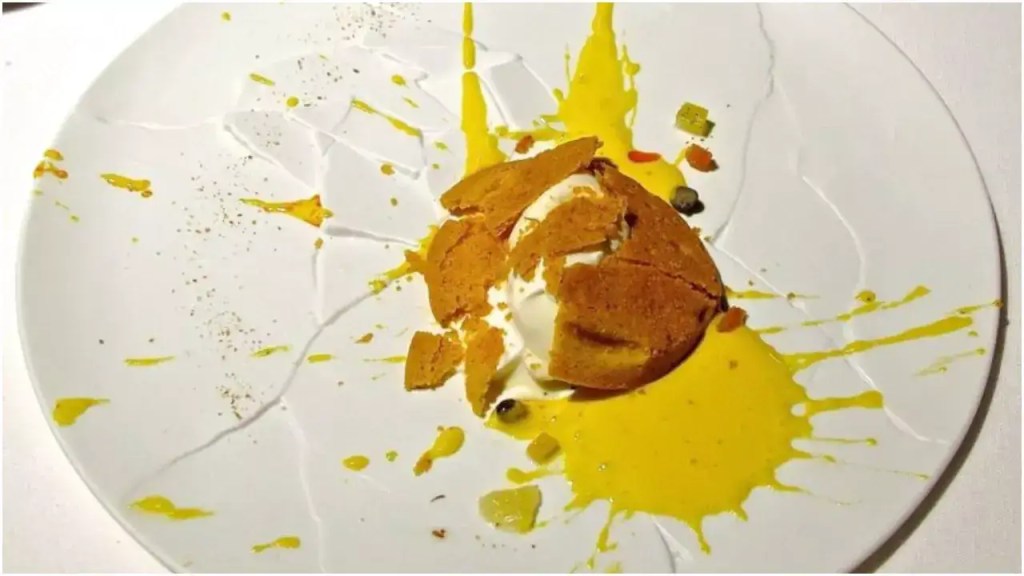
A striking example of this is the story of celebrated chef Massimo Bottura and his iconic dish, “Oops! I Dropped the Lemon Tart.”
Massimo Bottura’s Intentional Accident
Massimo Bottura, chef-owner of Osteria Francescana in Modena, Italy, is known for his meticulous approach to classic Italian cuisine. His dishes traditionally honored Italian culinary heritage, presented with remarkable precision and elegance. One evening, during a busy dinner service, Bottura’s pastry chef accidentally dropped a carefully plated lemon tart. The dessert shattered on the plate, seemingly ruining its perfect presentation.
Instead of discarding the mistake, Bottura saw an opportunity. In that moment, he recognized a chance to intentionally disrupt the rigid, formal pattern of fine dining. Inspired, he asked his pastry chef to replicate the accident precisely, turning the apparent mishap into an artful dish. The result was a dessert that looked accidental yet intriguingly beautiful, intentionally imperfect, and emotionally resonant. Diners loved it. The dish became one of Bottura’s signature creations, acclaimed worldwide as a symbol of thoughtful creativity.
Bottura’s innovation wasn’t random—it was intentional. He deeply understood that the elegance and precision of traditional culinary presentation provided diners with a sense of refinement and familiarity. Had he gone too far—say, by presenting the dish as scattered fragments without clear purpose—it would have felt messy, confusing, and unappealing. Conversely, had he barely deviated from the traditional style, the dish would have felt predictable, lacking any emotional or aesthetic impact.
By understanding precisely what diners valued about traditional plating—clarity, intention, and visual harmony—Bottura was able to calibrate his innovation perfectly. He maintained the dish’s beauty and artistic balance while infusing it with an element of surprise and delightful imperfection. This careful balance between structure and disruption created something new yet still deeply resonant with the audience.
Master, Then Break the Pattern
Massimo Bottura’s journey resonates deeply with my own experience as a product manager. Initially, I believed innovative products required radical ideas entirely divorced from existing constraints. Yet, like Bottura, I’ve learned that truly groundbreaking ideas often come from mastering existing structures thoroughly enough to recognize precisely where subtle disruptions can yield dramatic results.
In product management, this means deeply understanding user behaviors, market trends, and technological constraints. Mastering these allows us to identify nuanced, intentional opportunities to innovate—creating products that feel both new and familiar, surprising yet intuitive.
A Call to Product Managers
Creativity is a disciplined dance between mastery and innovation. Embrace the patterns that define your craft. Understand your users, market, and technology deeply. Then have the courage—and insight—to break the pattern exactly where it counts.
Massimo Bottura’s intentionally imperfect lemon tart reminds us that creativity isn’t about randomness but purposeful, thoughtful disruption.
Master your craft. Then boldly, intentionally, and strategically—break the pattern.
 Information Overload